Green Living Starts
at Home
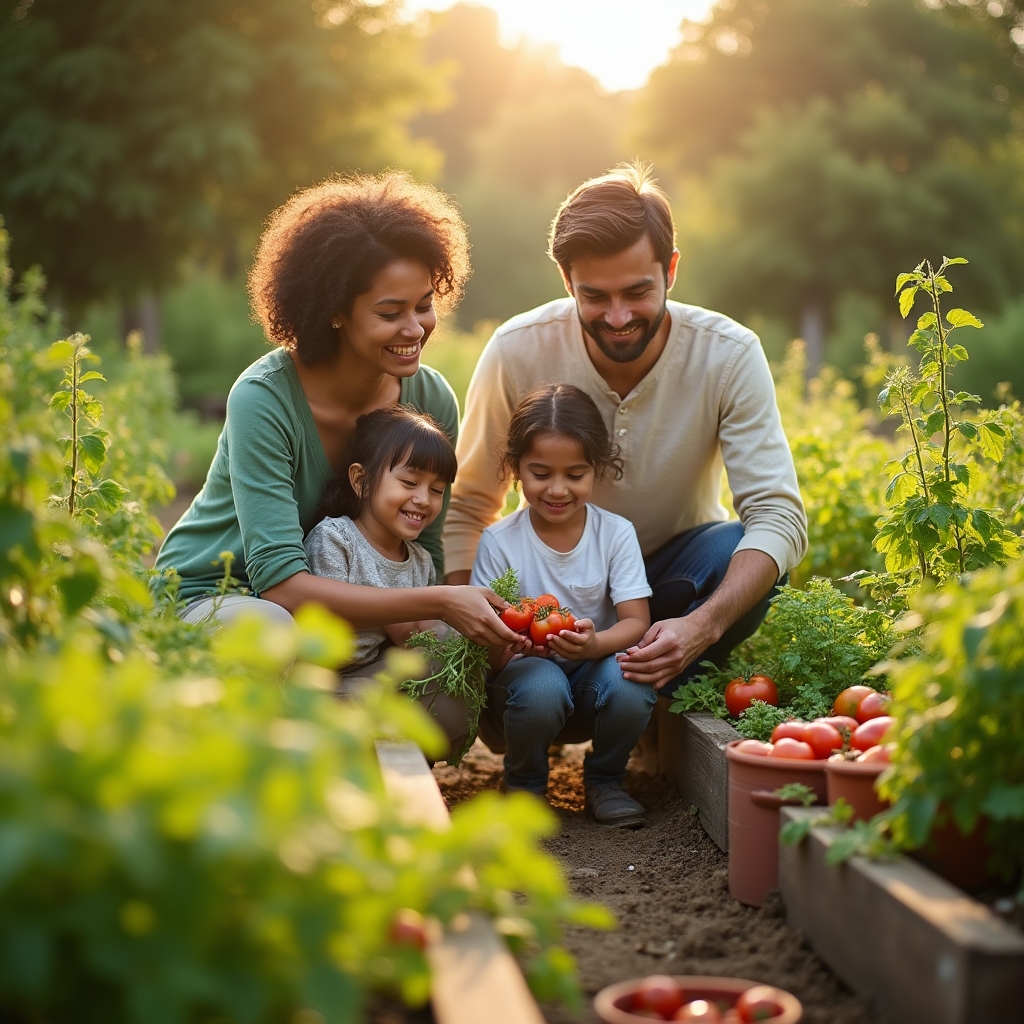
Paylavorio brings ecological knowledge into your household through informative webinars, practical tips, and family-friendly challenges. Understanding our impact on the environment begins with small, meaningful steps.

Education That Makes a Difference at Home
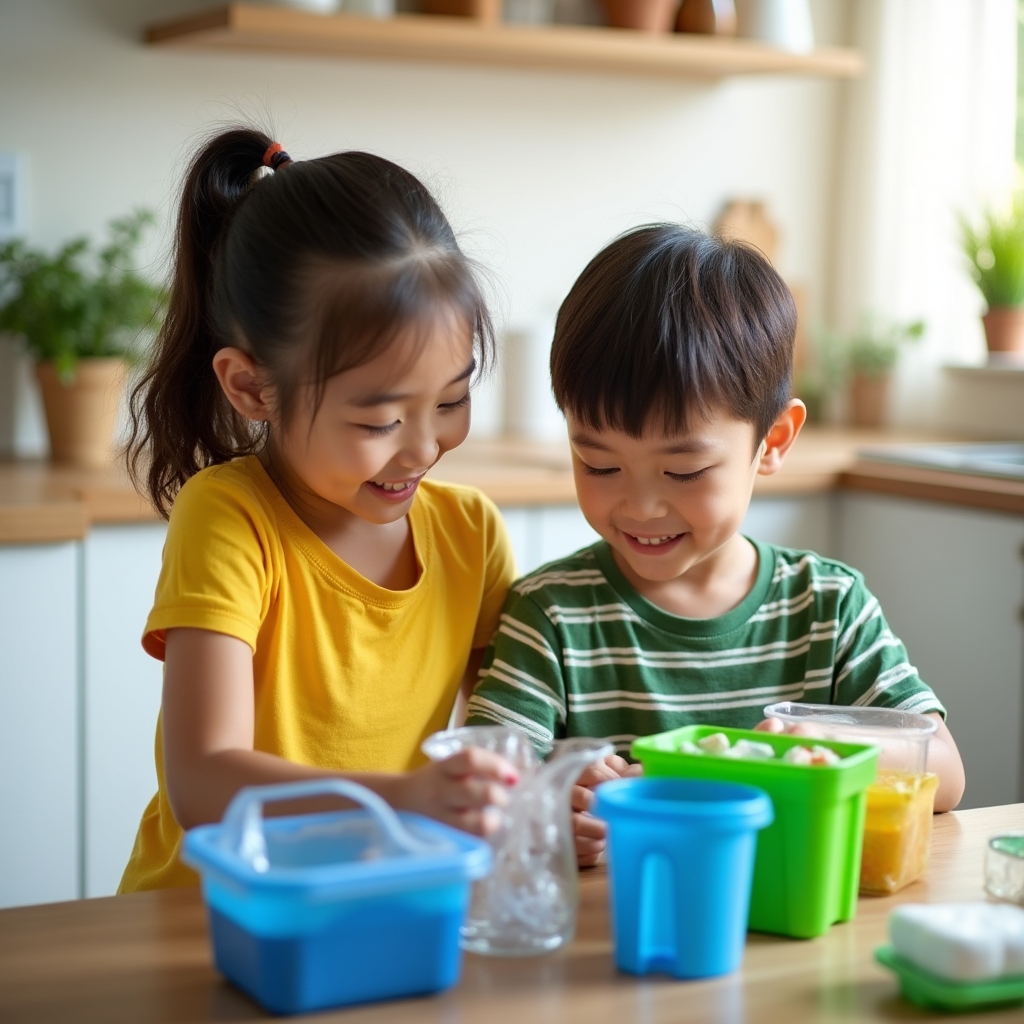
Paylavorio is an educational initiative built around one clear purpose: helping families understand environmental issues and develop green habits that last. Not through lectures, but through accessible, engaging webinar content that fits into real family life.
From composting basics to conscious consumption, our topics are chosen for their practical relevance. Every piece of content is designed to be immediately applicable, whether you live in a city apartment or a house with a garden.
Join an Upcoming Webinar
Our live sessions bring together families from across the Netherlands to explore topics like reducing food waste, switching to greener household products, and involving children in eco-conscious routines. Interactive Q&A included.
View ScheduleStart With Free Materials
Not ready for a webinar? Begin with our collection of free guides, checklists, and family activity sheets. Download and use them right away, no sign-up required for most resources.
Explore MaterialsWhat Families Learn Through Paylavorio
Understanding and Reducing Household Waste
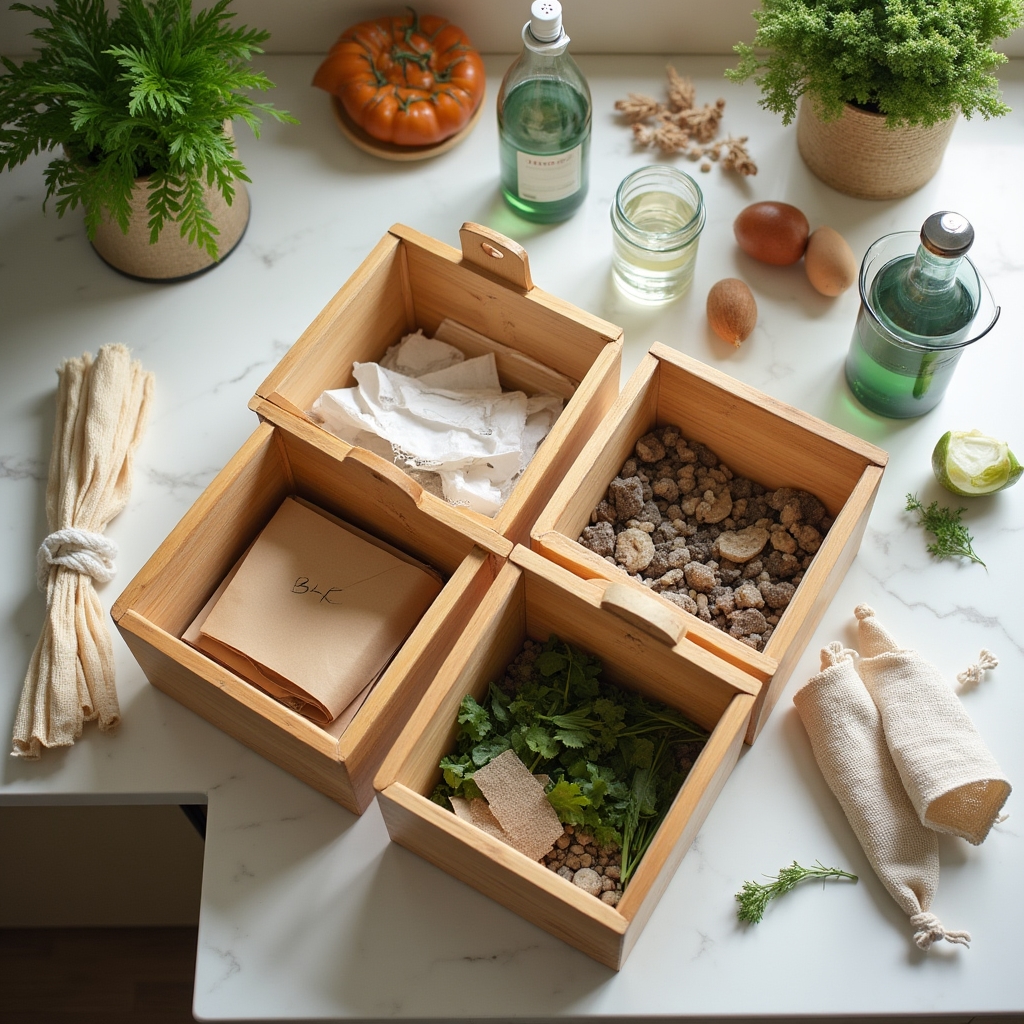
Most household waste can be significantly reduced through small changes in purchasing habits, storage, and disposal. Our webinars walk through the waste hierarchy, explaining the difference between reducing, reusing, and recycling.
We cover practical topics like separating organic waste, composting at home, and identifying which packaging materials are recyclable in the Netherlands.
- Composting guides for apartments and houses
- Sorting systems that actually work in daily life
- Reducing single-use plastics in the kitchen
- How to read and understand Dutch recycling symbols
Ecological Living Across the Whole Household
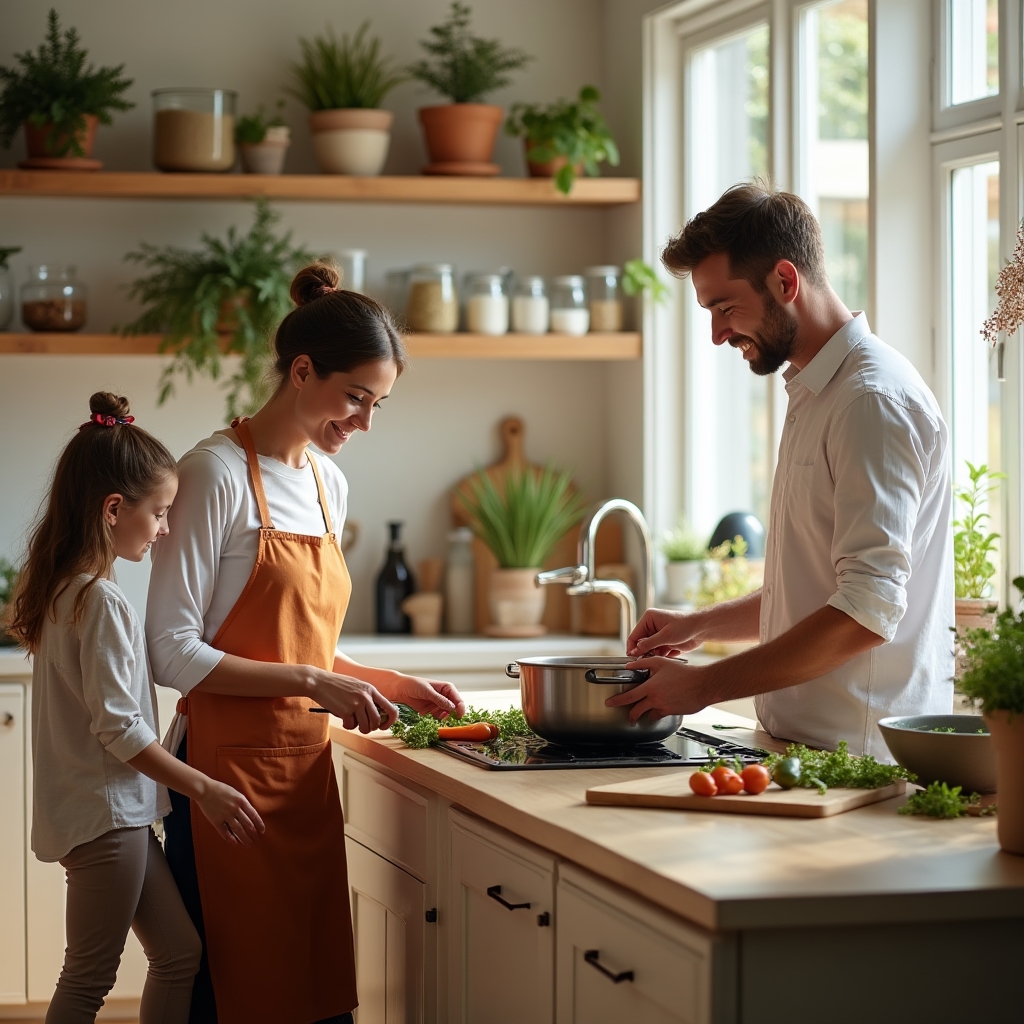
Ecological living is not a single action. It spans energy use, food choices, cleaning products, transportation habits, and the items we bring into our homes. Paylavorio covers the full picture.
Our webinars explore how different rooms in the home offer different opportunities for change, from the kitchen to the bathroom to the garden.
- Energy-saving habits for heating and lighting
- Choosing eco-certified cleaning products
- Growing herbs and vegetables at home

Green Challenges That Involve the Whole Family
Children engage best through doing. Our family challenge format turns environmental awareness into shared household activities. These are not competitive, but cooperative. The goal is participation and conversation.
Challenges range from a one-week no-plastic shopping experiment to a month-long household energy audit. Each includes a downloadable activity sheet with guidance for different age groups.
- Age-appropriate tasks for children aged 5 to 16
- Weekly and monthly challenge formats
- Reflection prompts to deepen understanding
- Printable activity sheets and tracking pages
Topics Covered in Our Sessions
Each webinar focuses on a specific aspect of sustainable living. Sessions are recorded and available for later viewing.
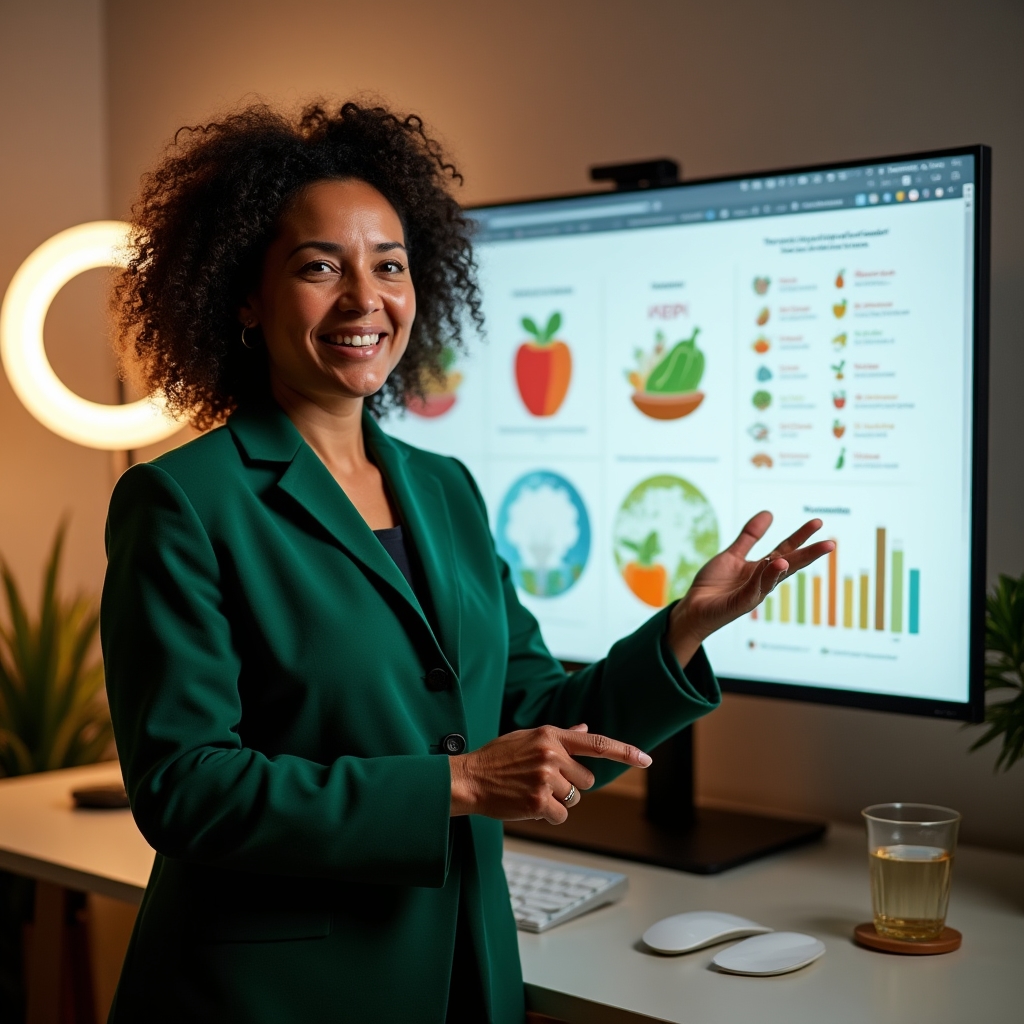
Sustainable Food Choices for Families
Exploring seasonal eating, reducing food waste, understanding food labels, and making plant-rich meals that children actually enjoy. Practical and accessible for all household types.
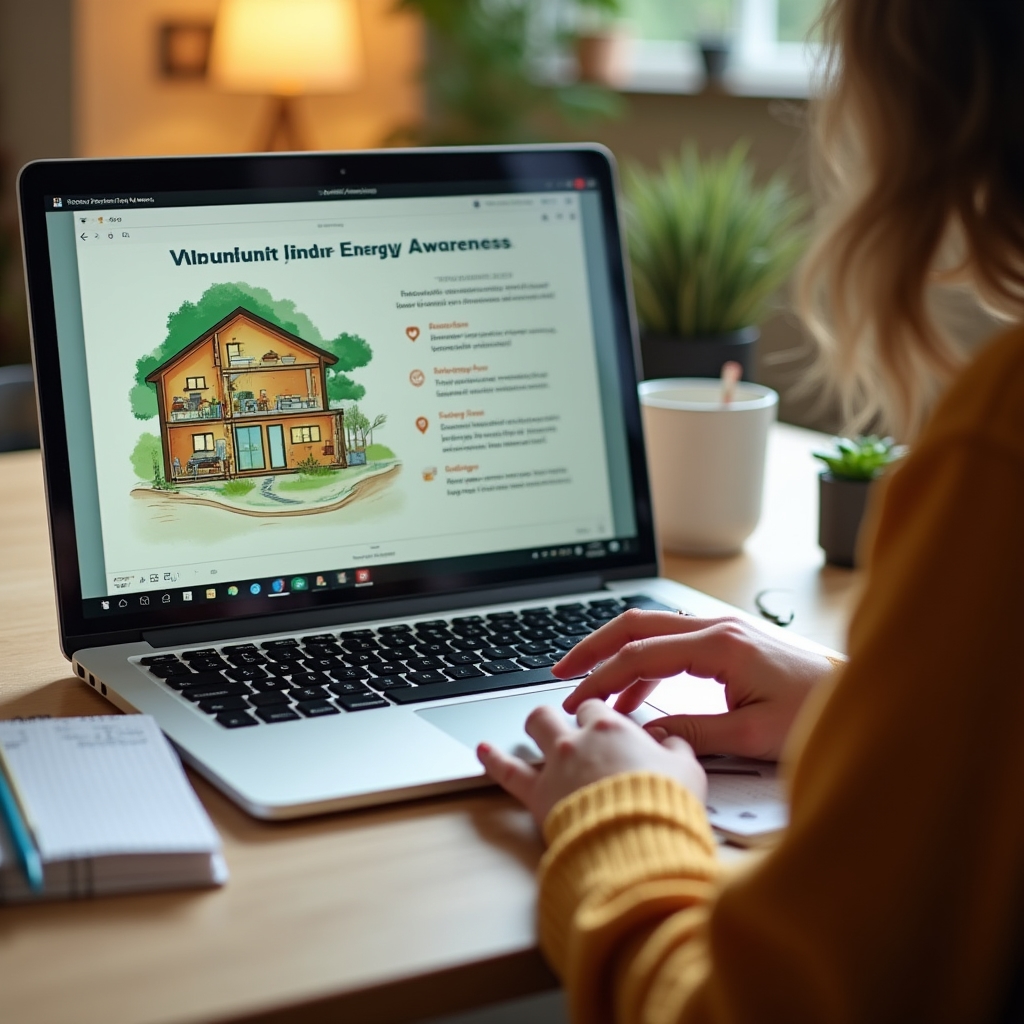
Energy Awareness at Home
Understanding household energy consumption and identifying practical ways to reduce it without major investment.
Conscious Consumption and Buying Less
Looking at how purchasing decisions affect the environment and how to develop more intentional shopping habits as a family.
Challenges for Every Household
Our challenge library offers structured activities that turn awareness into action. Each one is designed to be completed together as a family.
Plastic-Free Week
Seven days of shopping and cooking without single-use plastic. Track what you find difficult and discover alternatives.
Energy Audit
Map your home's energy use room by room. Identify the highest-impact changes you can make this month.
Grow Something
Start a herb pot, a balcony planter, or a small vegetable patch. Connect children to where food comes from.
Zero-Waste Kitchen
Spend one month tracking food waste and experimenting with recipes that use ingredients fully.
Small Steps, Lasting Habits
These are not grand gestures. They are small, consistent actions that build environmental awareness into everyday life.
Shop with a List and a Bag
Unplanned purchases and plastic bags are two of the easiest waste sources to eliminate. A reusable bag and a shopping list address both at once.
Lower the Thermostat by One Degree
A single degree reduction in your heating temperature has a measurable effect on energy use over a full heating season without any noticeable discomfort.
Plan Meals Around What's Already There
Before shopping, check what needs to be used. Meal planning around existing ingredients is one of the most effective ways to reduce food waste at home.
Collect Rainwater for Plants
A simple outdoor container can collect enough rainwater to water a small garden or balcony plants throughout the growing season, reducing tap water use.